Introduction
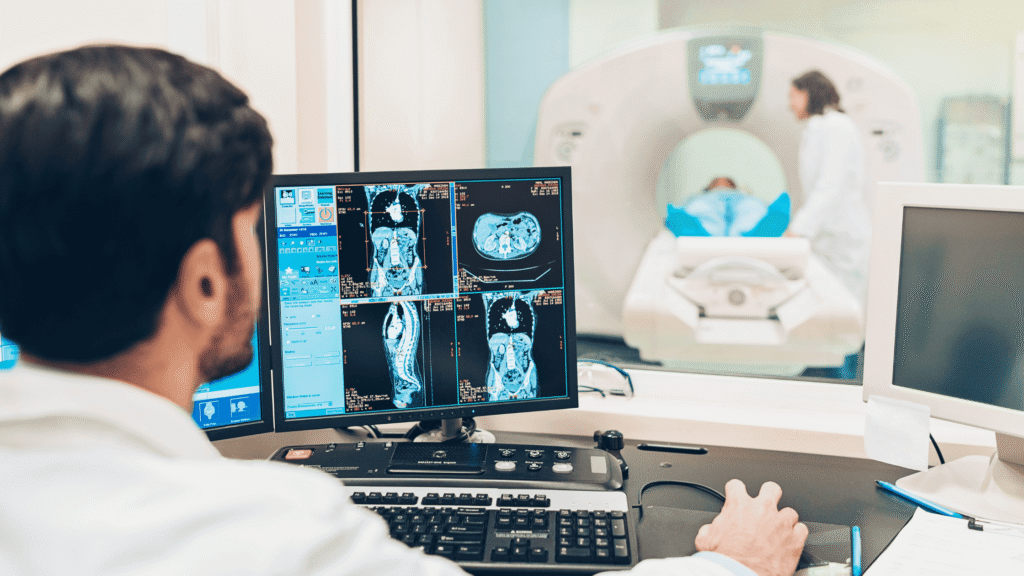
Diagnostic imaging—often shortened to diag imaging—is one of the most important tools in modern healthcare. It allows doctors to look inside the human body without surgery, helping them detect diseases, monitor conditions, guide treatments, and evaluate recovery. From broken bones and lung infections to cancer and brain disorders, diagnostic imaging plays a crucial role in nearly every field of medicine.
Over the past few decades, imaging technology has evolved rapidly. What once required exploratory surgery can now be diagnosed in minutes using advanced scanning systems. This has not only improved survival rates but also reduced pain, risk, and recovery time for millions of patients worldwide.
This article explores what diagnostic imaging is, how it works, the major types, its benefits, risks, and its growing role in the future of healthcare.
What Is Diagnostic Imaging?
Diagnostic imaging refers to a group of non-invasive techniques used to create visual representations of the internal structures of the body. These images help medical professionals:
-
Identify injuries and diseases
-
Monitor the progression of medical conditions
-
Plan surgeries or treatments
-
Evaluate how well treatments are working
Instead of relying only on physical symptoms or lab tests, doctors can see detailed images of organs, tissues, and bones in real time.
Why Diagnostic Imaging Is Important
Diagnostic imaging has transformed the way healthcare works. Its importance lies in:
1. Early Detection of Disease
Conditions such as cancer, heart disease, and neurological disorders can be detected before symptoms become severe.
2. Accurate Diagnosis
Clear images reduce guesswork and allow for precise treatment.
3. Non-Invasive Examination
Patients avoid unnecessary surgical procedures.
4. Treatment Planning
Surgeons and specialists use imaging to guide complex procedures.
5. Monitoring Recovery
Doctors can track healing progress without reopening wounds.
Main Types of Diagnostic Imaging
X-Ray Imaging
Common uses:
-
Detecting bone fractures
-
Identifying lung infections
-
Dental examinations
-
Detecting arthritis
They are quick, painless, and widely available.
Ultrasound Imaging
Common uses:
-
Monitoring pregnancy
-
Examining the heart (echocardiogram)
-
Checking abdominal organs
-
Guiding needle biopsies
It is safe because it does not use radiation.
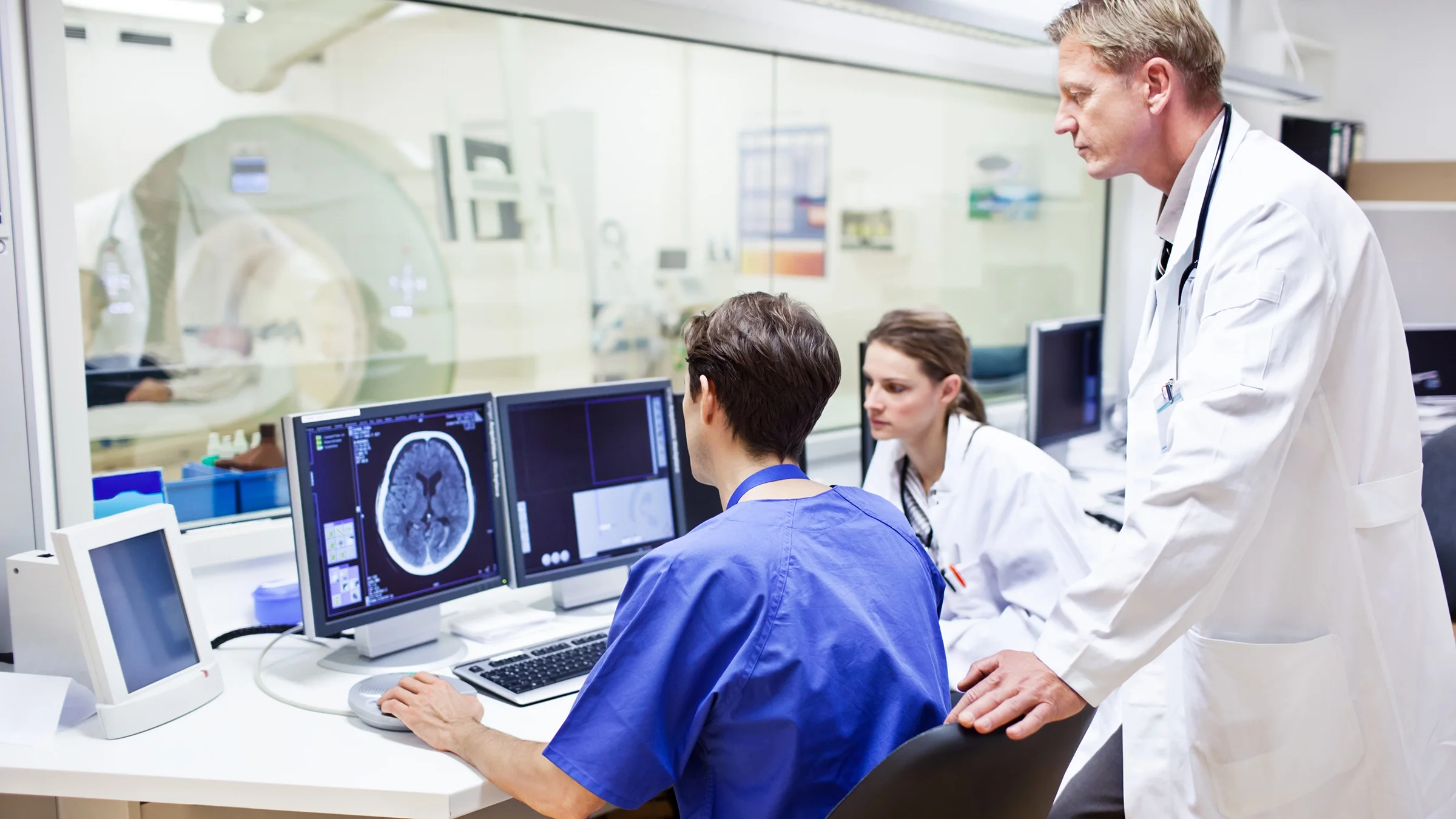
Computed Tomography (CT Scan)
Common uses:
-
Detecting tumors
-
Diagnosing internal bleeding
-
Examining lung diseases
-
Evaluating trauma injuries
CT scans provide much more detail than standard X-rays.
Magnetic Resonance Imaging (MRI)

Common uses:
-
Brain and spinal cord disorders
-
Joint and ligament injuries
-
Tumor detection
-
Heart and blood vessel analysis
It produces highly detailed images without using radiation.
Nuclear Medicine Imaging
This technique uses small amounts of radioactive material to diagnose and evaluate diseases.
Common uses:
-
Cancer detection
-
Heart function analysis
-
Thyroid disorders
-
Bone infections
PET scans are often combined with CT scans for more accurate results.
How Diagnostic Imaging Works
Each imaging method works differently:
-
X-rays and CT scans use radiation to pass through the body.
-
MRI uses magnetic fields and radio signals.
-
Ultrasound uses sound waves.
-
Nuclear imaging uses radioactive tracers.
These signals are captured by detectors and converted into digital images that doctors can analyze.
Role in Modern Healthcare
Diagnostic imaging is used in nearly every medical department:
Emergency Medicine
Quick scans help detect internal bleeding, fractures, and organ damage.
Oncology
Imaging helps locate tumors, determine their size, and monitor treatment response.
Cardiology
Heart scans evaluate blood flow, blockages, and structural defects.
Orthopedics
Bone and joint imaging guides surgical repair and rehabilitation.
Neurology
Brain imaging helps diagnose stroke, tumors, and degenerative diseases.
Benefits of Diagnostic Imaging
-
Early and accurate diagnosis
-
Reduced need for exploratory surgery
-
Faster treatment decisions
-
Improved patient outcomes
-
Real-time guidance for procedures
It also allows for personalized treatment plans based on precise internal visuals.
Risks and Safety Considerations
Although diagnostic imaging is generally safe, some methods carry small risks.
Radiation Exposure
Repeated CT scans and X-rays may slightly increase long-term risk if not properly managed.
Contrast Reactions
Some scans require contrast dye, which may cause allergic reactions in rare cases.
Claustrophobia in MRI
Some patients feel uncomfortable in enclosed scanners.
Healthcare providers minimize these risks by:
-
Using the lowest effective radiation dose
-
Screening patients for allergies
-
Offering open MRI options
The Role of Technology and Artificial Intelligence
Modern diagnostic imaging is becoming smarter with digital innovation.
AI in Imaging
Artificial intelligence helps:
-
Detect abnormalities faster
-
Improve image clarity
-
Reduce human error
-
Predict disease progression
3D Imaging and Printing
3D scans allow surgeons to:
-
Practice procedures in advance
-
Create custom implants
-
Improve surgical precision
Portable Imaging Devices
Compact machines now bring imaging to:
-
Rural areas
-
Emergency scenes
-
Intensive care units
Diagnostic Imaging in Preventive Healthcare
Imaging is no longer used only when symptoms appear. It is now part of preventive medicine.
Examples include:
-
Mammography for breast cancer screening
-
Bone density scans for osteoporosis
-
CT scans for early lung cancer detection
Early detection often means simpler and more successful treatment.
The Patient Experience
Most imaging procedures are:
-
Painless
-
Quick
-
Non-invasive
Patients may be asked to:
-
Remain still during scanning
-
Avoid food for a few hours
-
Remove metal objects
Results are usually reviewed by a radiologist and sent to the treating doctor.
The Future of Diagnostic Imaging
The future promises even more advanced capabilities:
-
Faster scanning times
-
Lower radiation exposure
-
Real-time disease detection
-
Fully AI-assisted diagnosis
-
Remote image analysis through telemedicine
These innovations will make healthcare more accessible and accurate worldwide.
Conclusion
Diagnostic imaging is the foundation of modern medical diagnosis and treatment. It allows doctors to see inside the human body with remarkable clarity, leading to faster decisions, safer procedures, and better patient outcomes.
From simple X-rays to advanced MRI and PET scans, diagnostic imaging continues to evolve with technology. Its role in early detection, disease monitoring, and precision medicine makes it one of the most powerful tools in healthcare today.
As innovation continues, diagnostic imaging will not only save lives but also improve the quality of life for patients across the globe.




Leave a Reply