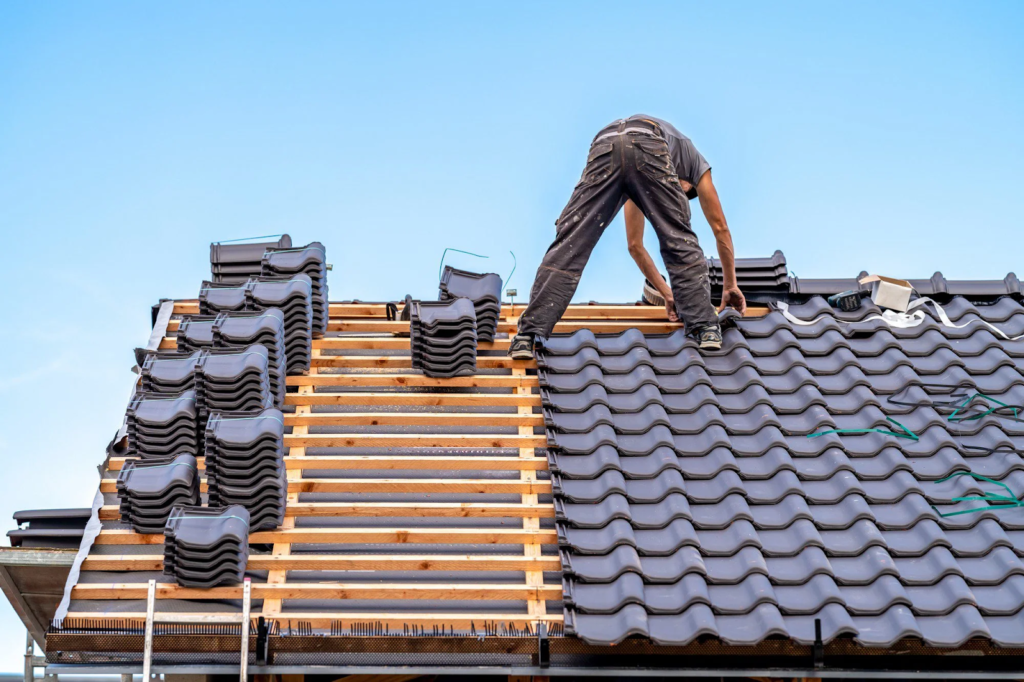

A home’s roof is more than just the topmost layer of your house—it is a critical barrier that protects you, your family, and your belongings from the elements. Whether it’s rain, snow, hail, wind, or sun, the roof bears the brunt of nature’s forces every day. Over time, however, wear and tear, weather damage, or poor installation can lead to leaks, structural weaknesses, or other problems that compromise its integrity. Understanding the repair of roofing is essential for homeowners to maintain safety, efficiency, and the value of their property. This article explores the importance of roof repair, common types of damage, repair methods, preventive strategies, and professional considerations.
Why Roof Repair Is Essential
Neglecting roofing issues can have far-reaching consequences. A damaged or aging roof can lead to:
-
Water Damage: Leaks allow water to penetrate the interior of your home, causing damage to ceilings, walls, insulation, and electrical systems.
-
Structural Weakness: Prolonged exposure to moisture can weaken roof supports, trusses, and decking, which may lead to partial collapses.
-
Energy Loss: A compromised roof can reduce insulation efficiency, causing heating and cooling systems to work harder and increasing utility bills.
-
Pest Infestation: Gaps and leaks may invite pests like birds, rodents, or insects into your home.
-
Decreased Property Value: A visibly damaged roof or one in need of repair can lower your home’s resale value and deter potential buyers.
Regular inspection and timely repairs are crucial to extending the life of your roof and preventing costly long-term damage.
Common Types of Roof Damage
Understanding the types of damage helps determine the repair approach. Common roofing problems include:
1. Leaks and Water Damage
Leaking roofs are often caused by missing or damaged shingles, cracked flashing, or poorly sealed vents. Signs of leaks include water stains on ceilings, mold growth, or dripping during rainfall.
2. Shingle Damage
Asphalt shingles, clay tiles, or metal panels can crack, curl, or detach due to age, high winds, or hail storms. Damaged shingles compromise the roof’s ability to shed water effectively.
3. Flashing Problems
Flashing seals joints around chimneys, skylights, and vents. Corroded or improperly installed flashing allows water to seep into underlying structures.
4. Ponding or Poor Drainage
Flat or low-slope roofs may develop ponding water, which accelerates wear and encourages leaks. Clogged gutters or insufficient slope can exacerbate this issue.
5. Roof Membrane Damage
For flat or low-pitch roofs, membranes (such as TPO, EPDM, or PVC) protect the underlying structure. Tears, punctures, or seam failures require immediate attention to prevent water infiltration.
6. Weather and Storm Damage
Hail, wind, snow, and ice can cause broken shingles, ice dams, or other structural damage. After major storms, inspection is vital to catch unseen problems.
Steps in Roofing Repair
Repairing a roof involves a systematic process to identify issues, address damage, and restore protection. While minor repairs may be manageable for skilled homeowners, many repairs require professional expertise to ensure safety and compliance with building codes.
1. Inspection
Begin by assessing the condition of the roof. Look for visible signs of wear, missing shingles, soft spots, and water damage. Check the attic for leaks or mold, and examine flashing, vents, gutters, and downspouts.
2. Temporary Measures
If leaks are detected, temporary measures such as tarps, sealants, or patching may prevent further damage while planning a permanent solution. This is especially important during rain or storms.
3. Shingle or Tile Replacement
Replacing damaged shingles or tiles is one of the most common repairs. This may involve lifting surrounding shingles, removing nails, and installing new shingles with proper overlap and sealing.
4. Flashing Repair or Replacement
Damaged flashing around chimneys, skylights, and vents can cause persistent leaks. Repair involves resealing, patching, or replacing flashing sections with compatible materials.
5. Roof Membrane Repair
For flat or low-slope roofs, patching tears or resealing seams restores waterproofing. Some repairs may require heat welding or adhesives compatible with the membrane material.
6. Gutter and Drainage Maintenance
Proper drainage is essential to roof longevity. Cleaning gutters, downspouts, and drains ensures water is directed away from the roof and foundation.
Preventive Roofing Maintenance
Preventive maintenance reduces the likelihood of costly repairs and extends roof life. Homeowners should consider:
-
Regular Inspections: Twice-yearly inspections (spring and fall) catch minor problems before they escalate.
-
Debris Removal: Remove leaves, branches, and dirt to prevent water pooling and moss growth.
-
Trim Overhanging Trees: Limbs rubbing against the roof can damage shingles and accelerate wear.
-
Check Flashing and Sealants: Inspect and reseal flashing, vents, and skylights to maintain a watertight barrier.
-
Clean Gutters and Downspouts: Ensure efficient water drainage and prevent ice dams in winter climates.
-
Professional Maintenance Plans: Some roofing contractors offer maintenance contracts that include regular inspections and minor repairs.
DIY vs. Professional Roof Repair
While minor repairs like shingle replacement or gutter cleaning can sometimes be done by homeowners, many roofing repairs require professional expertise:
DIY Repairs
-
Pros: Cost-effective for small issues; immediate action for minor leaks.
-
Cons: Safety risks (falls, tool misuse), limited effectiveness for large-scale problems, potential warranty issues if repairs are not professional.
Professional Repairs
-
Pros: Safe, code-compliant, thorough, often covered by warranty.
-
Cons: Higher upfront cost, scheduling required, may involve multiple contractors for different roof types.
Safety is a critical factor — falls from heights are a leading cause of home-related injuries. Professionals are trained and equipped to work safely and efficiently.
Materials and Roofing Types
Repair methods vary depending on roof type and material. Common residential roofing materials include:
-
Asphalt Shingles: Most common in the U.S.; repairs often involve shingle replacement and sealing.
-
Metal Roofing: Durable and long-lasting; repair may involve replacing panels or sealing seams.
-
Clay or Concrete Tiles: Fragile and heavy; replacement of individual tiles is typical.
-
Wood Shingles/Shakes: Require replacement of damaged sections and treatment to prevent rot.
-
Flat Roof Membranes: EPDM, TPO, or PVC require patching and seam repair.
Selecting a repair method compatible with the material ensures durability and prevents future issues.
Cost Considerations
The cost of roof repair depends on factors like roof size, material, extent of damage, and labor. Minor repairs may cost a few hundred dollars, while extensive damage or structural repair can reach several thousand. Preventive maintenance is often the most cost-effective way to protect your investment.
Insurance may cover storm or accidental damage, but routine wear and tear is usually the homeowner’s responsibility. Understanding the scope and cost of repairs helps in budgeting and planning.
Conclusion
The repair of roofing is an essential aspect of homeownership that protects property value, ensures family safety, and maintains comfort and efficiency. From minor shingle replacement to extensive membrane repairs, addressing problems promptly prevents larger, more expensive issues down the line.
Homeowners should prioritize regular inspections, timely maintenance, and professional assistance when needed. Understanding common roofing problems, repair methods, and preventive strategies ensures a durable and reliable roof that continues to serve as the first line of defense against the elements.
Ultimately, a well-maintained roof is more than a functional necessity — it’s peace of mind, energy efficiency, and the long-term protection of one of your most valuable assets: your home.