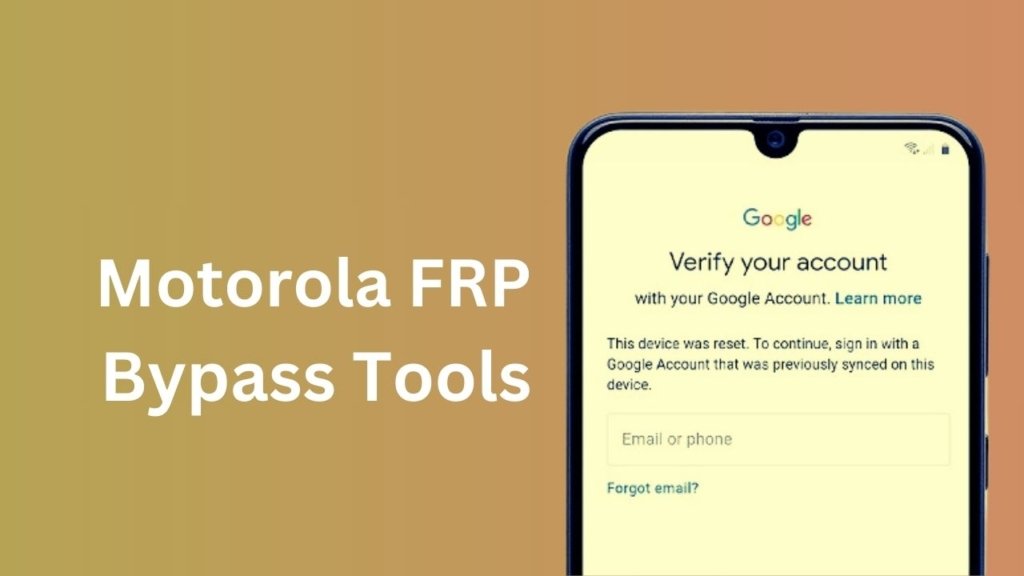
Motorola smartphones are among the most popular Android devices in the world, valued for their clean software, dependable hardware, and budget-friendly prices. Whether you own a Moto G, Edge, or Razr model, your phone includes several built-in security features designed to protect your personal data. One of the most important of these protections is Google’s Factory Reset Protection (FRP), which many users encounter when searching online for “Google bypass Motorola.”
The phrase “Google bypass” often sounds complicated or technical, but for most people, it simply means regaining access to a device after forgetting account details or buying a used phone. Understanding how FRP works—and how to handle it legally and safely—can help you avoid scams, protect your data, and unlock your device the right way.
This article explains everything you need to know about Motorola’s Google account verification system, including what FRP is, why it exists, why lockouts happen, and the proper solutions available.
What Is Factory Reset Protection?
Factory Reset Protection, commonly called FRP, is a security feature introduced by Google for Android devices starting with Android 5.1. Once you add a Google account to your phone, FRP automatically activates in the background.
If someone performs a factory reset without first removing that Google account, the device will require the same login credentials during setup. Without the correct email and password, the phone cannot be used.
This feature is meant to prevent theft. If a stolen phone could simply be reset and reused, it would have high resale value. FRP makes the device useless to anyone except the original owner, discouraging criminals and protecting sensitive information.
Motorola includes this feature on all modern devices by default.
Why People Search for “Google Bypass Motorola”
Despite its security benefits, FRP sometimes locks out legitimate owners. This happens more often than many people realize.
One common situation is forgetting your Google password. Many users stay logged in for years and rarely type their credentials. After a reset, they suddenly can’t remember their login information.
Another frequent scenario involves purchasing a second-hand phone. If the previous owner didn’t remove their account properly, the new user gets stuck at the verification screen.
Some people also reset their phones through recovery mode to fix bugs or performance issues, not knowing this will trigger FRP afterward.
In these cases, users aren’t trying to break security—they just want to use their own phone again.
How Google Verification Works on Motorola Devices
When you reset a Motorola phone, the system does more than just erase files. During the setup process, the phone connects to Google’s servers to check whether a Google account was previously linked.
If an account is detected, the phone demands verification. This check is cloud-based, meaning reinstalling the operating system or flashing firmware usually won’t remove the lock.
That’s why many unofficial “quick tricks” don’t work long-term. The protection is designed to be persistent and secure.
Legitimate and Safe Ways to Regain Access
If you’re facing an FRP lock, there are official methods that work safely without damaging your device or violating policies.
Recover Your Google Account
The easiest solution is using Google’s account recovery system. Visit the official Google recovery page on another device and enter your email address. Follow the prompts to verify your identity.
You may receive:
-
A text message code
-
A backup email link
-
Security questions
-
Authenticator app confirmation
After resetting your password, wait several hours if necessary, then sign in on your Motorola phone. In most cases, this immediately solves the issue.
Try Older Accounts
Sometimes people forget which Gmail account was originally used. Try signing in with any older email addresses you may have used in the past. The device only accepts the exact account previously synced.
Contact Motorola Support
If recovery doesn’t work, contact Motorola customer support or visit an authorized service center. With proof of purchase, they may help unlock or verify your device safely.
Bring documents like:
-
Receipt
-
Invoice
-
Box with IMEI number
-
Carrier agreement
This method is reliable and keeps your warranty intact.
Ask the Previous Owner
If you bought the device second-hand, ask the seller to remove it from their Google account. They can log into their Google account remotely and delete the phone from their device list. Once removed, you can reset and activate normally.
Why Unofficial Bypass Tools Are Dangerous
When searching online, you’ll likely see videos or downloads claiming instant “FRP bypass” solutions. While these may seem tempting, they come with serious risks.
Some tools contain malware or spyware that can steal your personal information. Others may corrupt your phone’s system files, causing crashes or permanent damage. Many of these methods void warranties or violate terms of service.
Even if a workaround appears successful, your device may stop receiving updates or behave unpredictably later.
In short, unofficial bypass methods often create more problems than they solve.
Preventing FRP Lockouts in the Future
The best way to deal with FRP issues is to prevent them entirely. A few simple habits can save you a lot of trouble.
Always remember your Google credentials. Use a password manager or store them securely.
Before performing a factory reset, manually remove your Google account from Settings. This automatically disables FRP.
Keep your recovery phone number and backup email updated so password resets are easy.
If selling or giving away your phone, sign out completely before resetting.
These small steps ensure you never face a verification lock again.
The Importance of FRP Security
Although FRP can be inconvenient during a lockout, it plays an essential role in protecting your privacy. Smartphones store personal photos, banking information, emails, and sensitive data. Without protection, anyone could access this information after a reset.
FRP ensures that only the rightful owner can reactivate the device. This added security reduces theft and protects millions of users worldwide.
Instead of seeing FRP as an obstacle, it’s better to view it as a safeguard.
When Professional Help Is Best
If you’ve tried everything and still can’t access your device, professional help is the safest option. Authorized technicians have proper tools and procedures to resolve issues legally and securely.
Avoid unlicensed repair shops promising “instant bypass.” Choose certified service providers to protect both your phone and your data.
Conclusion
“Google bypass Motorola” usually means one simple thing—recovering access to your own smartphone. The key is to follow safe, legal methods like account recovery, customer support assistance, or proper account removal.
Factory Reset Protection exists to protect you, not frustrate you. By understanding how it works and preparing ahead of time, you can avoid lockouts and keep your device secure.
With the right knowledge and responsible steps, you can unlock your Motorola phone safely and confidently while keeping your personal information protected.




Leave a Reply