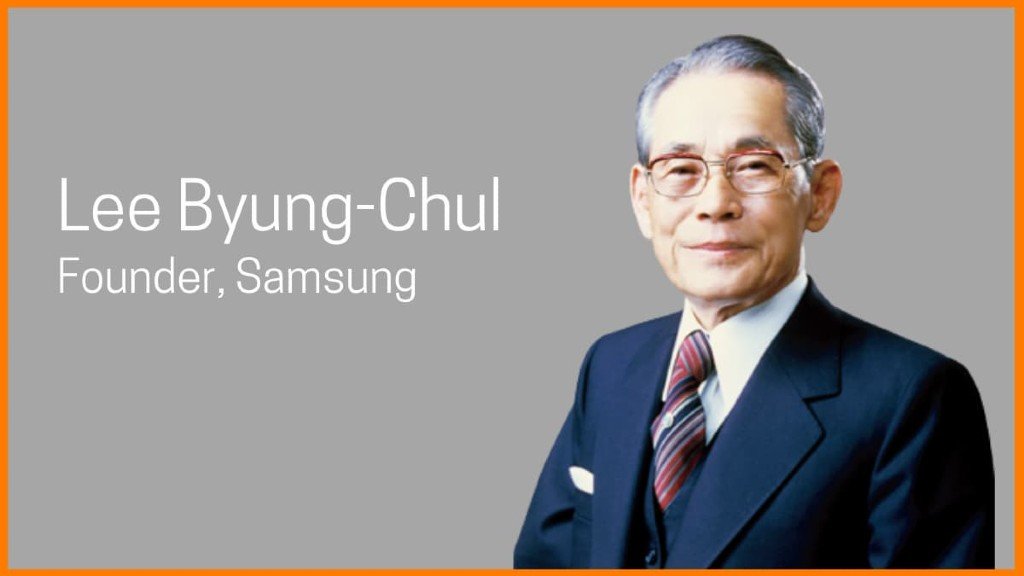
Few individuals have had as profound an impact on modern industry as Lee Byung-chul. As the founder of Samsung, Lee transformed a small trading business into one of the world’s most influential corporate empires. His life story is one of resilience, innovation, and long-term vision, shaping not only a company but also the economic trajectory of South Korea.
This article explores Lee Byung-Chul’s life, achievements, leadership style, and lasting legacy.
Early Life and Background
Lee Byung-Chul was born on February 12, 1910, in Uiryeong County, located in what is now South Korea. He came from a wealthy landowning family, which gave him access to education and opportunities that were not available to many at the time.
He attended school in Korea before traveling to Japan for higher education. However, Lee did not complete his studies and returned home early. Instead of following a traditional career path, he chose to pursue business—a decision that would eventually reshape industries.
The Founding of Samsung
In 1938, Lee founded Samsung as a small trading company in Daegu, Korea. Initially, the company dealt in groceries, dried fish, and noodles. At the time, Korea was under Japanese colonial rule, making business operations challenging.
Despite these difficulties, Lee demonstrated a keen sense of opportunity. He built strong relationships with suppliers and customers, laying the foundation for future growth. The name “Samsung,” meaning “three stars,” symbolized his vision for something big, strong, and enduring.
Navigating War and Economic Challenges
The outbreak of the Korean War (1950–1953) disrupted businesses across the country. Like many others, Lee faced significant setbacks. However, he used this period to reassess and rebuild.
After the war, South Korea began a period of rapid industrialization. Lee recognized the need for diversification and expanded Samsung into new sectors, including textiles, insurance, and retail. His ability to adapt to changing economic conditions played a key role in the company’s survival and growth.
Expansion into Industrial Power
During the 1960s and 1970s, Samsung evolved from a trading company into a major industrial conglomerate. Lee Byung-Chul invested heavily in manufacturing, aligning with the South Korean government’s push for economic development.
Key industries entered by Samsung included:
- Textiles
- Petrochemicals
- Construction
- Electronics
This diversification strategy allowed Samsung to reduce risk and capitalize on emerging opportunities.
Entry into Electronics
One of Lee’s most significant decisions was entering the electronics industry. In 1969, Samsung established its electronics division, which would later become its most globally recognized sector.
At the time, the electronics industry was highly competitive and dominated by companies from countries like Japan and the United States. However, Lee believed that with the right investment and innovation, Samsung could compete on a global scale.
This vision proved to be correct. Over time, Samsung Electronics became a leader in consumer electronics, semiconductors, and mobile technology.
Leadership Style and Philosophy
Lee Byung-Chul was known for his disciplined and strategic approach to leadership. He believed in long-term planning and was not afraid to take calculated risks.
Key Principles of His Leadership:
1. Vision and Ambition
Lee aimed to build a company that would last for generations. His long-term perspective guided major decisions.
2. Focus on Quality
He emphasized the importance of producing high-quality products, understanding that reputation was critical for global success.
3. Adaptability
Lee continuously adapted his business strategy to changing market conditions and technological advancements.
4. Strong Work Ethic
He expected dedication and discipline from his employees, fostering a culture of hard work.
Role in South Korea’s Economic Growth
Lee Byung-Chul’s contributions extended beyond Samsung. He played a significant role in South Korea’s transformation from an agrarian economy into an industrial powerhouse.
During the mid-20th century, South Korea was one of the poorest countries in the world. Through industrialization and the growth of large conglomerates like Samsung, the country experienced rapid economic development.
Samsung became a key driver of exports, employment, and innovation, contributing to South Korea’s rise as a global economic leader.
Challenges and Controversies
Like many influential business leaders, Lee Byung-Chul faced challenges and controversies throughout his career.
Business Competition
As Samsung expanded, it encountered intense competition both domestically and internationally. Maintaining growth required constant innovation and strategic planning.
Government Relations
Samsung’s close relationship with the South Korean government during periods of rapid industrialization has been both praised and criticized. While it helped drive economic growth, it also raised questions about corporate influence.
Economic Risks
Expanding into multiple industries carried significant financial risks. However, Lee’s ability to manage these risks helped Samsung maintain stability.
Legacy and Succession
Lee Byung-Chul passed away on November 19, 1987, leaving behind a vast business empire. After his death, leadership of Samsung was passed to his son, Lee Kun-hee, who further expanded the company’s global presence.
Under Lee Kun-hee’s leadership, Samsung underwent significant transformation, focusing on innovation, branding, and quality improvement. This helped the company become one of the world’s leading technology brands.
Samsung’s Global Impact
Today, Samsung is a multinational conglomerate with operations in various sectors, including:
- Consumer electronics
- Semiconductors
- Telecommunications
- Construction and engineering
Samsung products are used by millions of people worldwide, from smartphones to home appliances. The company’s influence extends across industries and continents.
Lee Byung-Chul’s vision laid the foundation for this global success. His emphasis on diversification, innovation, and long-term growth continues to shape Samsung’s strategy.
Lessons from Lee Byung-Chul’s Life
Lee’s journey offers valuable lessons for entrepreneurs, business leaders, and individuals.
1. Start Small but Think Big
Samsung began as a small trading business, but Lee’s vision extended far beyond its initial scope.
2. Embrace Change
Adapting to new industries and technologies was key to Samsung’s growth.
3. Invest in the Future
Lee’s decision to enter electronics demonstrated the importance of investing in emerging sectors.
4. Build a Strong Foundation
Strong relationships, quality products, and disciplined management helped Samsung thrive.
Influence on Modern Business
Lee Byung-Chul’s strategies are still relevant today. His approach to diversification, innovation, and global expansion has influenced modern business practices.
Many companies now adopt similar strategies, focusing on:
- Expanding into multiple industries
- Investing in research and development
- Building strong global brands
Conclusion
Lee Byung-chul was more than just a businessman—he was a visionary who transformed a small trading company into a global powerhouse. Through determination, strategic thinking, and a commitment to excellence, he built the foundation for one of the world’s most successful corporations.
His legacy continues to inspire entrepreneurs and leaders around the world. As Samsung remains at the forefront of innovation, the influence of its founder is still evident in its values and achievements.
Lee Byung-Chul’s story is a testament to the power of vision, resilience, and the ability to turn challenges into opportunities.




Leave a Reply