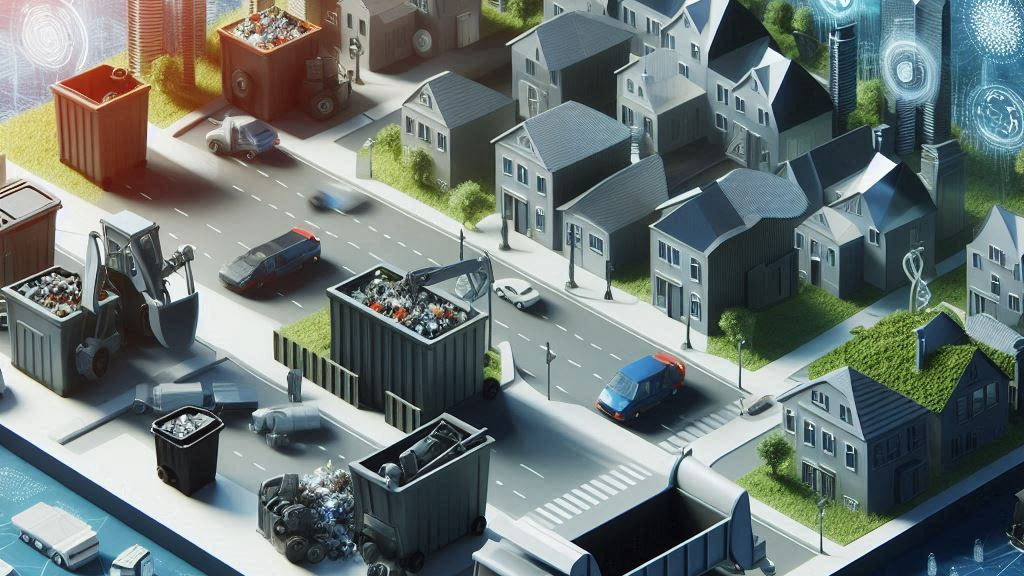
In modern urban environments, efficient waste management is no longer optional—it is a necessity. Rising populations, increased industrialization, and growing consumerism have amplified the pressure on cities to manage waste effectively. In this context, afruimwagens—specialized waste collection and transport vehicles—have emerged as critical tools in ensuring cleanliness, public health, and sustainable urban living.
What Are Afruimwagens?
The term afruimwagen originates from Dutch, literally translating to “clearing vehicle.” These are specialized trucks designed to collect, transport, and sometimes compact waste materials from residential, commercial, and industrial sites to designated processing or disposal locations. Unlike conventional garbage trucks, afruimwagens are often designed for efficiency, versatility, and environmental friendliness, adapting to different waste types and operational scales.
Typically, afruimwagens are equipped with hydraulic lifting systems, compaction mechanisms, and modular containers. Some models also incorporate advanced tracking and route-optimization technology, ensuring timely collection and reducing unnecessary fuel consumption.
Key Features and Functionalities
Modern afruimwagens go beyond simple waste collection. Their design and technological enhancements reflect the evolving demands of urban waste management:
-
Hydraulic Systems: Most afruimwagens use hydraulic lifts to handle heavy containers and bulky items, reducing manual labor and increasing collection efficiency.
-
Compaction Mechanisms: Integrated compaction systems allow waste to occupy less space in the truck, enabling fewer trips to disposal sites and cutting operational costs.
-
Specialized Compartments: Some models feature separate compartments for recyclables, organic waste, and hazardous materials, promoting better waste segregation at the source.
-
Environmental Sensors: High-end afruimwagens may include sensors to detect fill levels, optimize collection routes, and monitor emissions, supporting greener urban operations.
-
Versatility: They can operate in tight urban streets, industrial zones, and rural areas, adapting to different urban planning challenges.
The Role of Afruimwagens in Urban Hygiene
Urban hygiene is a multidimensional challenge, requiring careful attention to waste accumulation, pest control, and sanitation infrastructure. Afruimwagens play a pivotal role in this ecosystem:
-
Preventing Overflow and Pollution: Timely collection of waste prevents littering, reduces the risk of water and soil contamination, and keeps neighborhoods clean.
-
Mitigating Health Risks: Accumulated waste attracts pests, bacteria, and pathogens. By ensuring regular removal, afruimwagens help prevent outbreaks of diseases such as dengue, cholera, and leptospirosis.
-
Supporting Recycling Programs: With specialized compartments, afruimwagens facilitate source-level segregation, making recycling more efficient and reducing the environmental burden of landfill disposal.
-
Enhancing Aesthetic Appeal: Clean streets, public parks, and commercial areas not only improve quality of life but also enhance the city’s image for tourism and business.
Afruimwagens in Industrial and Commercial Settings
While urban waste collection is the most visible function of afruimwagens, their impact extends significantly into industrial and commercial sectors. Factories, warehouses, and large-scale retail establishments generate significant volumes of waste that cannot be managed by conventional means. Here, afruimwagens:
-
Handle bulk waste efficiently, minimizing operational downtime.
-
Separate hazardous materials such as chemical byproducts, ensuring safe disposal.
-
Integrate with logistics software, allowing scheduled pickups and route optimization for better operational efficiency.
This adaptability makes afruimwagens indispensable for modern businesses aiming to comply with environmental regulations and sustainability standards.
Environmental Implications
The rise of afruimwagens is also closely linked with environmental sustainability. Traditional waste management methods, relying on manual collection and open dumping, often exacerbate pollution and carbon emissions. By contrast, afruimwagens contribute to:
-
Reduced Carbon Footprint: Route-optimized vehicles decrease fuel consumption and emissions.
-
Waste Minimization: Compaction systems reduce the number of trips needed to transport waste, further lowering environmental impact.
-
Enhanced Recycling and Reuse: Specialized vehicles for recyclables ensure materials like plastics, paper, and metals are diverted from landfills to processing plants.
-
Compliance with Green Regulations: Many municipalities now mandate environmentally friendly waste management solutions. Modern afruimwagens meet these regulatory standards.
Technological Innovations in Afruimwagens
The integration of technology into afruimwagens is transforming the waste management landscape. Key innovations include:
-
IoT Integration: Internet of Things (IoT) sensors track truck location, container fill levels, and performance metrics in real time.
-
Automation: Some afruimwagens are semi-autonomous, capable of performing waste collection with minimal human intervention.
-
Data Analytics: Collected operational data can be analyzed to improve route planning, reduce idle time, and forecast future waste management needs.
-
Alternative Fuel Options: To further reduce emissions, some manufacturers are developing electric or hybrid afruimwagens, promoting a cleaner urban environment.
Global Adoption and Case Studies
Afruimwagens have seen increasing adoption across Europe, Asia, and other urbanized regions. For instance:
-
Amsterdam, Netherlands: The city has implemented electric afruimwagens with advanced compaction systems, reducing noise and emissions in densely populated neighborhoods.
-
Tokyo, Japan: Route-optimized afruimwagens equipped with sensors handle both residential and industrial waste, ensuring efficiency in one of the world’s most space-constrained urban areas.
-
Berlin, Germany: Specialized afruimwagens segregate recyclables and organic waste, enabling high recycling rates and reducing landfill dependency.
These examples highlight the global relevance of afruimwagens in modern urban management and sustainability initiatives.
Economic and Social Benefits
Beyond environmental and operational advantages, afruimwagens contribute to economic and social well-being:
-
Job Creation: Manufacturing, maintaining, and operating afruimwagens generate employment opportunities.
-
Urban Development: Efficient waste management supports cleaner public spaces, boosting tourism, property values, and business activity.
-
Public Awareness: Visible and organized waste collection systems encourage citizens to engage in responsible disposal practices.
Challenges and Future Prospects
Despite their numerous advantages, afruimwagens face several challenges:
-
High Initial Investment: Advanced models can be expensive, limiting adoption in smaller municipalities.
-
Maintenance Requirements: Hydraulic systems, compaction mechanisms, and electronic sensors require regular maintenance.
-
Infrastructure Dependency: Effective operation depends on road quality, storage facilities, and waste disposal sites.
Looking forward, the future of afruimwagens lies in innovation, sustainability, and integration. Trends indicate a shift towards fully electric fleets, AI-assisted route planning, and modular designs adaptable to various waste streams. Municipalities investing in these vehicles today are not just improving urban cleanliness—they are building the foundations of smart, sustainable cities.
Conclusion
Afruimwagens are more than just waste trucks—they are a cornerstone of modern urban sanitation, environmental stewardship, and efficient city management. By integrating technology, sustainability, and operational efficiency, these vehicles ensure that cities can manage growing waste challenges while protecting public health and the environment.
As global populations continue to grow and urbanization accelerates, the role of afruimwagens will only become more critical. Cities and municipalities that adopt these advanced waste management vehicles are setting the standard for cleaner, healthier, and more sustainable urban living. Investing in afruimwagens today is an investment in a cleaner and more organized future for generations to come.



Leave a Reply