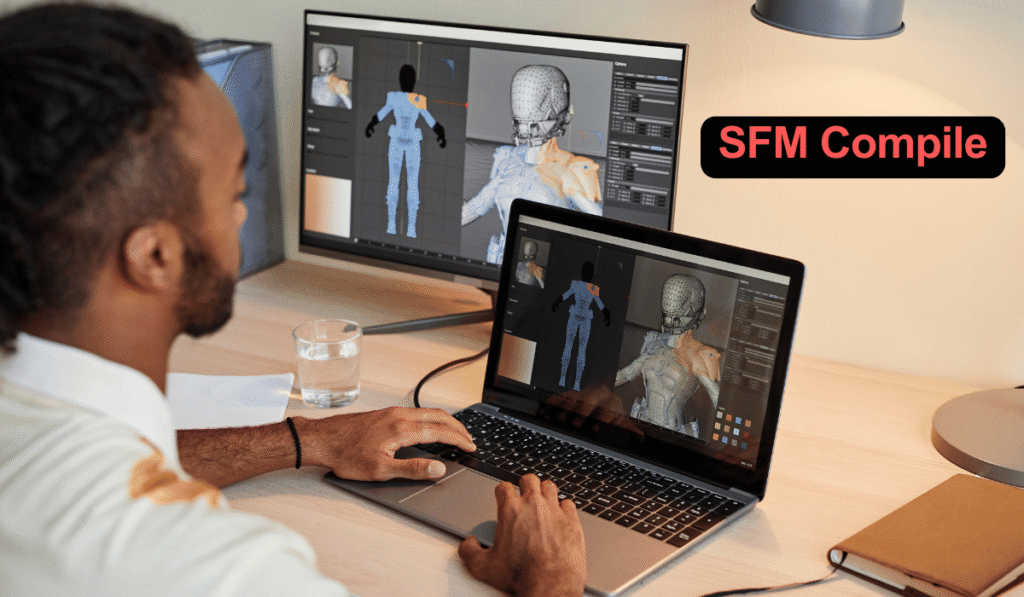

In the world of digital animation and video production, creators constantly search for tools that allow them to produce high-quality visuals with flexibility and control. One such tool that has gained popularity among animators, gamers, and content creators is Source Filmmaker (SFM). Developed by Valve, Source Filmmaker allows users to create cinematic scenes using assets from games built on the Source engine.
A key step in the animation process within this software is known as SFM compile. This step refers to rendering or exporting a project from the editing environment into a final video or image sequence that can be shared, uploaded, or used in other media projects.
Understanding how SFM compile works is essential for anyone who wants to produce professional-quality animations using Source Filmmaker. This article explains the concept of SFM compile, how the process works, best practices for rendering, and common issues creators may encounter.
What Is Source Filmmaker?
Source Filmmaker is a filmmaking tool created by Valve that uses the same engine as many popular games such as Team Fortress 2, Half-Life, and Counter-Strike. The program allows users to build animated scenes using game characters, environments, props, and lighting effects.
Unlike traditional animation software that requires drawing each frame, SFM allows creators to work with pre-built 3D assets. Users can manipulate characters, adjust cameras, create lighting setups, and record animations directly inside the program.
This approach makes it possible to produce cinematic scenes more quickly than traditional animation workflows.
Understanding SFM Compile
In Source Filmmaker, compiling generally refers to the process of rendering or exporting the completed animation into a final output format.
When a project is being edited inside SFM, it exists as a collection of assets, animation timelines, camera movements, lighting setups, and effects. These elements are not yet combined into a final video file.
The compile process takes all of these components and processes them frame by frame to generate a finished product.
Depending on the creator’s needs, SFM compile can produce:
-
Video files (such as AVI)
-
Image sequences (PNG or TGA frames)
-
High-quality still images
-
Poster renders
Once compiled, the output can be edited in other video software, uploaded to streaming platforms, or shared with audiences.
Why SFM Compile Is Important
Rendering or compiling is one of the most important stages of the animation workflow. Even if a project looks perfect inside the editing window, it must be compiled correctly to achieve high-quality results.
The compile stage ensures that:
-
Lighting effects are applied properly
-
Camera movements are smooth
-
Textures and models render correctly
-
Motion blur and depth of field appear as intended
A poorly configured compile process can result in low-quality visuals, missing textures, or frame glitches.
For this reason, experienced creators spend time adjusting render settings before exporting their final animation.
The SFM Compile Process
Compiling a project in Source Filmmaker typically follows a straightforward series of steps.
1. Finalizing the Animation
Before compiling, creators review their animation timeline to ensure everything is correct. This includes checking:
-
Character movements
-
Camera transitions
-
Lighting placement
-
Scene composition
It is also helpful to preview the animation multiple times to catch any mistakes.
2. Opening the Export Menu
Once the project is ready, users open the Export Movie option in Source Filmmaker.
This menu allows creators to choose how their project will be compiled. The settings selected here determine the final video quality and file format.
3. Choosing the Output Format
SFM compile offers several output options, including:
AVI Video
This is one of the most common formats. It creates a video file that can be played directly or edited in video editing software.
Image Sequence
Some creators prefer exporting each frame as a separate image file. These frames can later be assembled into a video using editing programs such as Adobe Premiere or DaVinci Resolve.
Image sequences provide better flexibility during post-production.
Poster Render
This option allows creators to compile a single high-resolution image from a scene. It is often used for thumbnails or promotional artwork.
4. Adjusting Render Settings
Before starting the compile process, users can adjust settings such as:
-
Resolution
-
Frame rate
-
Anti-aliasing
-
Motion blur
-
Depth of field
Higher settings generally produce better visual quality but require more processing time.
5. Starting the Compile
After configuring the settings, the compile process begins.
SFM renders each frame individually, applying lighting, shadows, textures, and animations. Depending on the complexity of the scene, this process may take several minutes or even hours.
When the rendering is complete, the final file is saved to the selected output location.
Best Practices for SFM Compile
To achieve the best results when compiling an SFM project, creators often follow several best practices.
Use High Resolution
Rendering at higher resolutions such as 1080p or 4K produces clearer and more professional-looking videos.
High resolution is especially important if the final video will be uploaded to platforms that compress video files.
Render Image Sequences
Many experienced SFM users prefer exporting image sequences instead of a single video file.
This approach offers several advantages:
-
Frames can be edited individually
-
Corrupted frames can be re-rendered
-
Video editing software handles the final encoding
Although it requires additional steps, image sequences often produce the highest quality results.
Optimize Lighting
Lighting plays a crucial role in the final render.
Creators should adjust light intensity, color, and shadows carefully before compiling. Proper lighting can dramatically improve the visual impact of an animation.
Check for Missing Textures
Sometimes assets may appear correctly in the editor but fail during rendering due to missing textures or models.
Checking all scene elements before compiling helps prevent these issues.
Use Motion Blur and Depth of Field
Motion blur and depth of field can enhance the cinematic feel of an animation.
These effects simulate real camera behavior and help scenes look more realistic.
Common SFM Compile Problems
Even experienced users sometimes encounter issues when compiling their projects. Some common problems include:
Crashes During Rendering
Large scenes with many models or high-resolution textures may cause SFM to crash during rendering.
Reducing scene complexity or lowering certain render settings can help prevent crashes.
Missing Models or Textures
If assets are not properly installed or loaded, they may appear as errors in the final render.
Ensuring that all files are correctly located in the SFM directory is essential.
Low-Quality Output
Incorrect render settings can lead to blurry or pixelated videos.
Increasing resolution and enabling anti-aliasing usually improves quality.
Long Rendering Times
High-quality renders can take a significant amount of time.
Creators often leave their computers rendering overnight for large projects.
The Role of Post-Production
After compiling a project, many creators move on to post-production.
Video editing software allows them to add:
-
Sound effects
-
Music
-
Color correction
-
Transitions
-
Visual effects
Post-production enhances the final animation and prepares it for publishing on platforms such as YouTube or social media.
Why SFM Remains Popular
Despite being released many years ago, Source Filmmaker remains a popular animation tool.
Several factors contribute to its continued success:
-
Access to thousands of community-created assets
-
Compatibility with popular Source engine games
-
A strong online creator community
-
Free access for users
The compile process plays a crucial role in turning creative ideas into finished visual content.
The Future of SFM and Rendering Tools
While new animation tools continue to appear, SFM still holds a special place in the gaming and animation community.
Future developments in rendering technology may introduce faster compile processes, better lighting systems, and improved real-time rendering.
At the same time, many creators are experimenting with combining SFM with other software to produce even more advanced animations.
Conclusion
SFM compile is an essential step in the Source Filmmaker animation workflow. It transforms a project from an editable scene into a finished video or image sequence ready for sharing with audiences.
By understanding the compile process, adjusting render settings carefully, and following best practices, creators can produce high-quality animations that showcase their creativity and technical skills.
Whether someone is creating short cinematic scenes, gaming videos, or animated stories, mastering SFM compile allows them to bring their ideas to life in a polished and professional way.