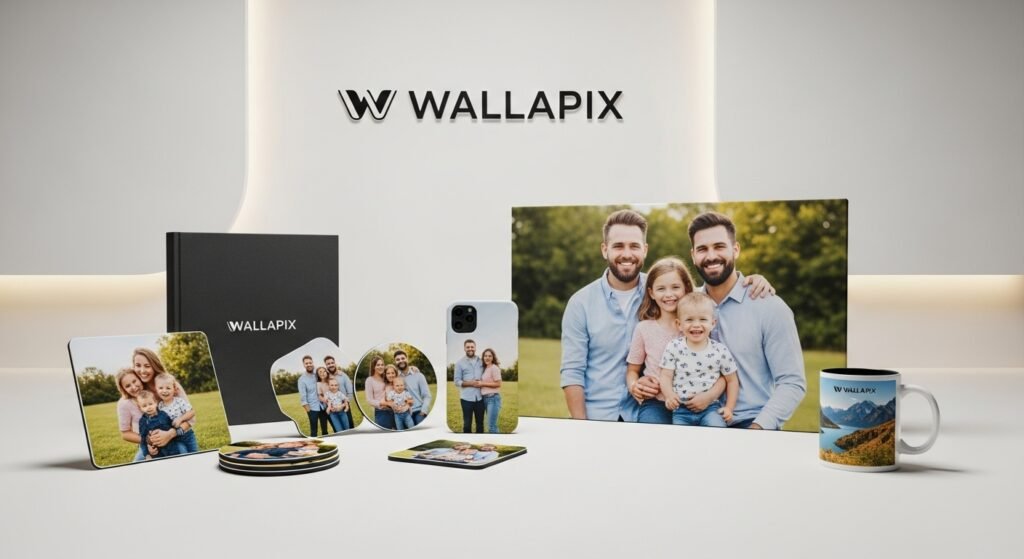

In the modern world of home décor and digital creativity, people are constantly looking for new ways to personalize their living and working spaces. Walls, once considered simple structural elements, have now become canvases for creativity and self-expression. One concept that is gaining attention in this space is Wallapix. The term represents an innovative approach to wall decoration that combines technology, photography, and design to transform ordinary walls into meaningful visual displays.
Wallapix reflects a growing trend where personal memories, artistic designs, and digital imagery are brought together to create unique and visually engaging wall décor. Whether used in homes, offices, or commercial environments, Wallapix solutions are helping individuals and businesses redefine how they decorate their spaces.
Understanding the Concept of Wallapix
At its core, Wallapix refers to the idea of turning personal or digital images into decorative wall displays. The concept is built around the belief that walls can tell stories through visuals. Instead of using traditional paintings or generic posters, people can display photographs, graphic art, or custom designs that reflect their personality and experiences.
Wallapix can take many forms. It may involve printed photo panels, large-scale murals, modular canvas prints, or digitally enhanced wall art. The key idea is customization—allowing people to transform their favorite images into décor that fits perfectly within their space.
The popularity of this concept is closely tied to advances in digital photography and printing technology. Today, almost everyone has access to high-quality images through smartphones and cameras. Wallapix allows these images to move beyond screens and become part of the physical environment.
The Evolution of Personalized Wall Art
To understand why Wallapix has become popular, it is helpful to look at how wall decoration has evolved over time. In the past, people primarily used paintings, framed photographs, and decorative tapestries to decorate walls. These items were often mass-produced and lacked a personal connection.
With the rise of digital technology, personalization became easier and more accessible. Online platforms now allow users to upload images, edit them, and print them in various formats. This shift has created a new market for customized décor products.
Wallapix builds on this evolution by emphasizing creativity and personal storytelling. Instead of purchasing generic artwork, individuals can create displays that highlight family memories, travel experiences, or artistic interests.
Wallapix in Home Décor
One of the most common uses of Wallapix is in residential interior design. Homeowners increasingly want their living spaces to reflect their identities and lifestyles. Personalized wall displays help achieve this goal.
For example, a family may create a wall gallery featuring photographs from vacations, celebrations, and important life events. A traveler might design a wall collage that showcases images from different countries and cultures. Artists and photographers can display their work in a visually striking format.
Wallapix designs can also enhance specific areas of a home. Living rooms may feature large statement pieces, while bedrooms might include softer, more intimate imagery. Kitchens, hallways, and even home offices can benefit from customized visual elements that make the space feel more welcoming and inspiring.
Wallapix for Businesses and Commercial Spaces
The concept of Wallapix is not limited to homes. Businesses are increasingly adopting personalized wall visuals to create engaging environments for employees and customers.
Retail stores, restaurants, and cafés often use custom wall graphics to reinforce their brand identity. For instance, a café might display large photographs of coffee beans, plantations, or artistic illustrations related to coffee culture. A clothing boutique could showcase fashion photography that aligns with its brand aesthetic.
In corporate offices, Wallapix designs can highlight company values, achievements, or team culture. Motivational visuals, branded graphics, and collaborative photo displays can contribute to a positive workplace atmosphere.
Hotels and hospitality venues also use personalized wall imagery to create memorable experiences for guests. Large wall prints or murals can reflect the local culture, landscape, or artistic heritage of the area.
Technology Behind Wallapix
The growth of Wallapix has been made possible by advances in printing technology and digital design tools. High-resolution printers can produce detailed images on a variety of materials, including canvas, acrylic, aluminum, and wallpaper.
Digital editing software also plays an important role. Designers can adjust colors, enhance image quality, and experiment with different layouts before printing. This ensures that the final product matches the desired visual effect.
Another technological innovation supporting Wallapix is modular wall art. Instead of a single large print, images can be divided into multiple panels that create a dynamic and modern appearance. These multi-panel designs are especially popular in contemporary interior design.
In addition, online customization platforms have simplified the process for consumers. Many services allow users to upload photos, preview different layouts, and place orders directly from their computers or smartphones.
Creative Possibilities with Wallapix
One of the most exciting aspects of Wallapix is the wide range of creative possibilities it offers. Unlike traditional wall decoration, which may follow specific styles or rules, Wallapix encourages experimentation.
Some popular approaches include:
Photo Collage Walls
A collage wall combines multiple photographs into a single display. This style works well for storytelling and can highlight different moments from a person’s life.
Panoramic Prints
Panoramic images are ideal for landscapes, cityscapes, or travel photography. When printed on a large scale, they can create a dramatic visual impact.
Thematic Designs
Walls can be decorated around a specific theme, such as nature, architecture, sports, or music. This approach helps create a cohesive design within a room.
Abstract and Artistic Displays
Digital art, abstract graphics, and creative illustrations can add a modern and artistic touch to interior spaces.
Benefits of Wallapix Designs
The popularity of Wallapix can also be attributed to the many benefits it offers compared to traditional wall décor.
Personalization
Wallapix allows individuals to create décor that reflects their personal experiences and tastes.
Emotional Connection
Displaying meaningful images can evoke memories and positive emotions.
Flexibility
Wallapix designs can be adapted to fit different spaces, sizes, and interior styles.
Visual Impact
Large prints or creative layouts can transform the appearance of a room and make it more visually engaging.
Ease of Replacement
Unlike permanent wall decorations, many Wallapix displays can be easily replaced or updated as preferences change.
Tips for Creating an Effective Wallapix Display
While Wallapix encourages creativity, thoughtful planning can help achieve the best results. Here are some practical tips for designing a successful wall display:
Choose High-Quality Images
High-resolution photos ensure that prints appear sharp and detailed when enlarged.
Consider Color Harmony
Selecting images that complement the room’s color scheme helps create a balanced design.
Plan the Layout
Before installing prints, it can be helpful to arrange them on the floor or use digital preview tools to experiment with different layouts.
Use Proper Lighting
Lighting can enhance the visual impact of wall art. Spotlights or accent lighting can highlight key pieces.
Maintain Balance
Avoid overcrowding the wall with too many elements. Leaving some empty space can make the design feel more organized and visually pleasing.
The Future of Wallapix
As technology continues to evolve, the possibilities for Wallapix are likely to expand even further. Emerging technologies such as augmented reality and smart displays may introduce new ways to interact with wall visuals.
For example, future Wallapix designs might include digital frames that change images automatically or interactive displays that respond to user input. Smart home systems could integrate with wall displays to adjust visuals based on mood, time of day, or special occasions.
Sustainability is another area where Wallapix may evolve. Eco-friendly printing materials and energy-efficient production methods are becoming increasingly important in the design industry.
Conclusion
Wallapix represents a modern approach to wall decoration that combines personalization, creativity, and technology. By transforming digital images into meaningful visual displays, it allows individuals and businesses to create environments that reflect their stories, values, and artistic preferences.
From family photo galleries in homes to branded visual installations in commercial spaces, Wallapix is redefining how walls are used in interior design. The concept encourages people to think beyond traditional décor and explore new ways of expressing themselves through visual art.
As digital tools and printing technologies continue to advance, Wallapix will likely become an even more influential part of the design world. What was once a simple wall can now become a powerful storytelling surface—one image at a time.